Integrated Solutions from Production, R&D, Construction to After-sales.
PROFESSIONAL MANUFACTURER
ENVIRONMENTAL PROTECTION EXPERT

Global Geomembrane Market on Track for USD 5.2 Billion by 2031 as Containment Rules Tighten
A Q4 2026 outlook on how stricter environmental mandates and infrastructure investment are reshaping demand for HDPE geomembranes, non-woven geotextiles, and geosynthetic clay liners.
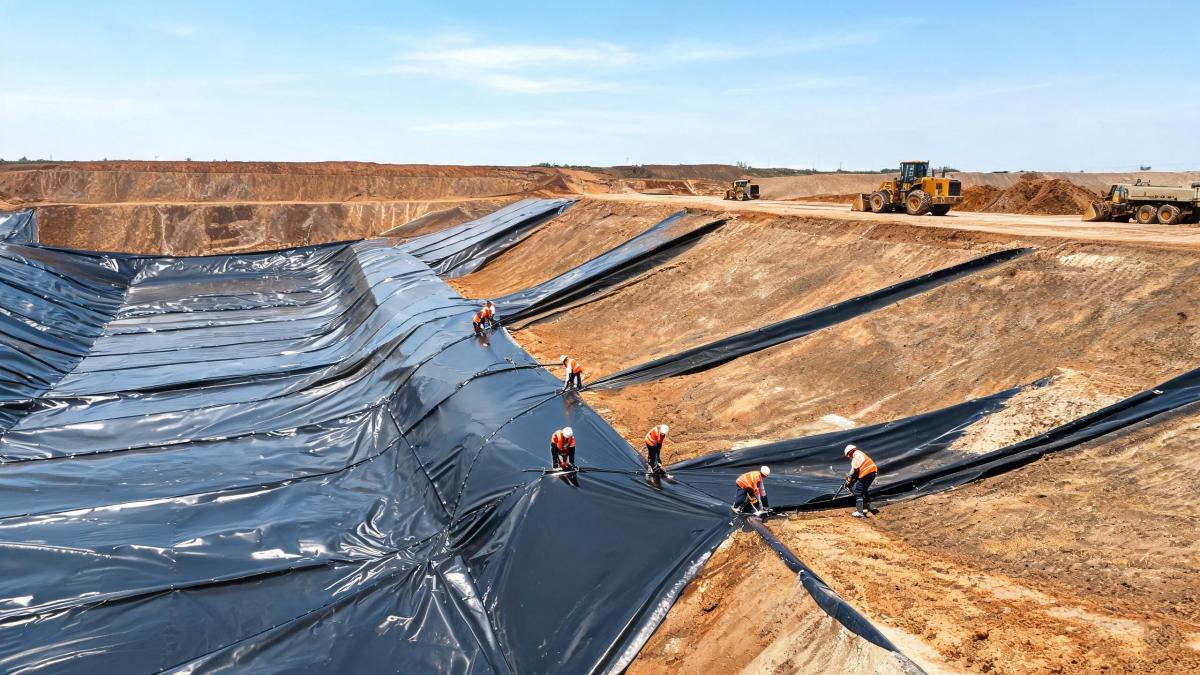
As the construction sector moves into the final quarter of 2026, the global geomembrane industry is holding firm on a growth path driven less by speculation than by hardening regulation. Industry trackers now value the worldwide geomembranes market at roughly USD 3.39 billion for 2026 and project it to reach about USD 5.20 billion by 2031 — a compound annual growth rate (CAGR) of 7.5%. For manufacturers of geosynthetic barriers such as Shanghai Yingfan, the trajectory points to a clear shift: secure containment has graduated from best practice to a regulatory baseline.
Market at a glance
The numbers tell a consistent story across research providers. The broader geomembranes category — spanning HDPE, LLDPE, PVC, and EPDM polymers — is forecast to expand steadily through the early 2030s, with HDPE and LLDPE carrying the largest share. The HDPE and LLDPE geomembrane segment alone is valued at USD 2.4 billion in 2026 and is expected to climb to USD 4.34 billion by 2035, advancing at a 6.8% CAGR. Geosynthetic clay liners (GCLs), a smaller but fast-rising category, are put at about USD 697 million for 2026.
The regulatory engine behind demand
What sets this cycle apart is that growth is increasingly policy-led. In the United States, the Resource Conservation and Recovery Act (RCRA) and EPA Subtitle D set minimum liner performance for municipal solid-waste landfills, requiring hydraulic conductivity of no more than 1×10⁻⁷ cm/s. Sodium-bentonite GCLs can achieve permeability as low as 1×10⁻⁹ cm/s — two orders of magnitude tighter than the regulatory floor — making them a favored component in composite liner systems.
Europe is moving in the same direction. The EU Landfill Directive imposes prescriptive standards for leachate containment across member states, and in a notable 2026 development, Austria's ÖNORM S 2073 standard now sets a minimum 50-year service-life requirement for geosynthetic sealing membranes used in landfill structures. The message to specifiers is unambiguous: liner performance is being measured in decades, not years.
Secure containment has graduated from best practice to a regulatory baseline — and the specifiers writing 50-year service-life requirements know it.Shanghai Yingfan Editorial Team
Where the growth is concentrated
Demand is spreading across four application clusters, each with its own driver:
- Landfill & hazardous-waste containment — the bedrock market, sustained by mandatory double-liner systems and leachate-control rules.
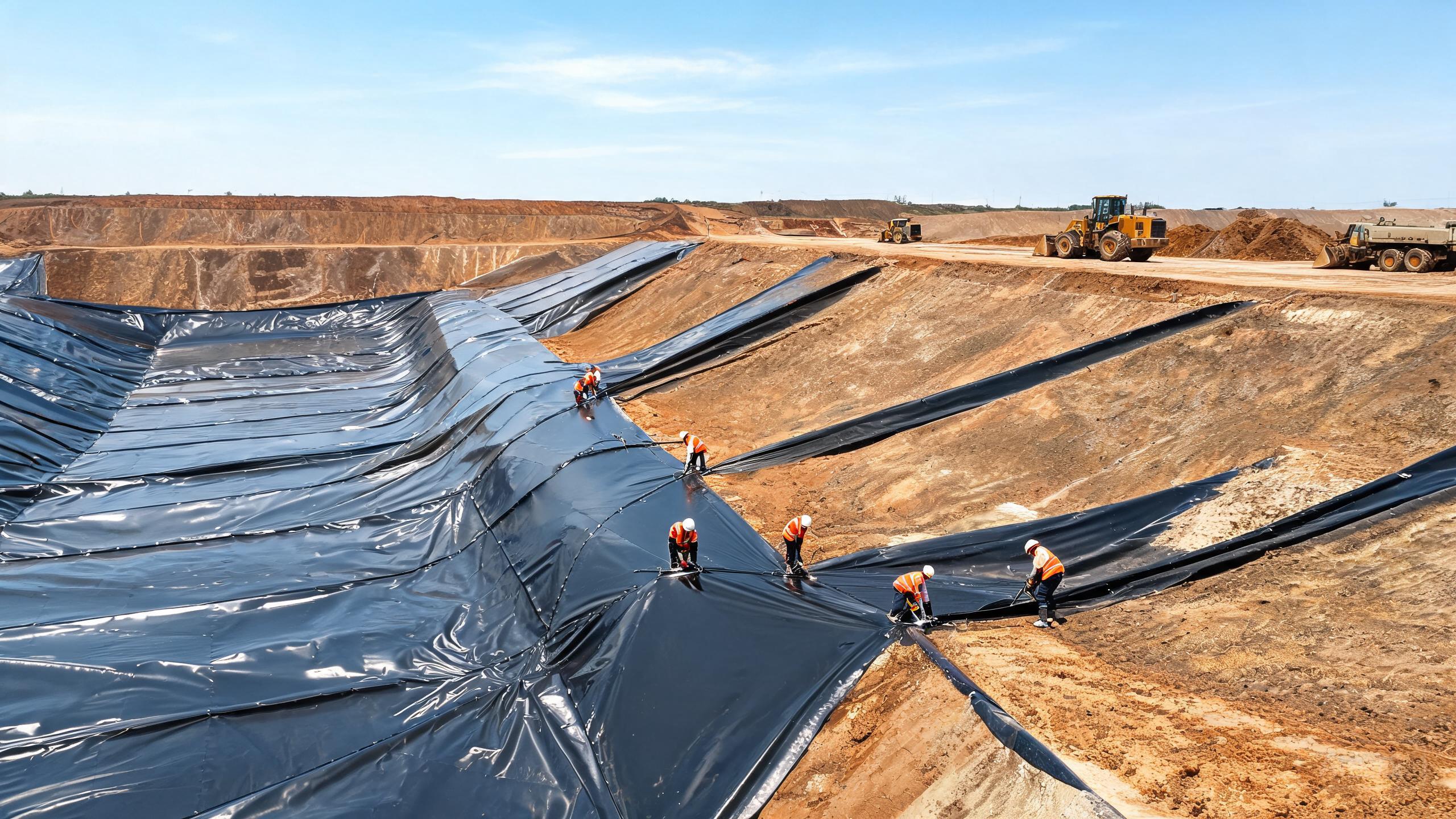
- Mining — tailings dams and heap-leach pads rely on HDPE liners for process-water isolation. In 2026, a Peruvian copper mine alone commissioned roughly 400,000 m² of 2.0 mm textured HDPE for tailings containment, illustrating the scale single projects can reach.
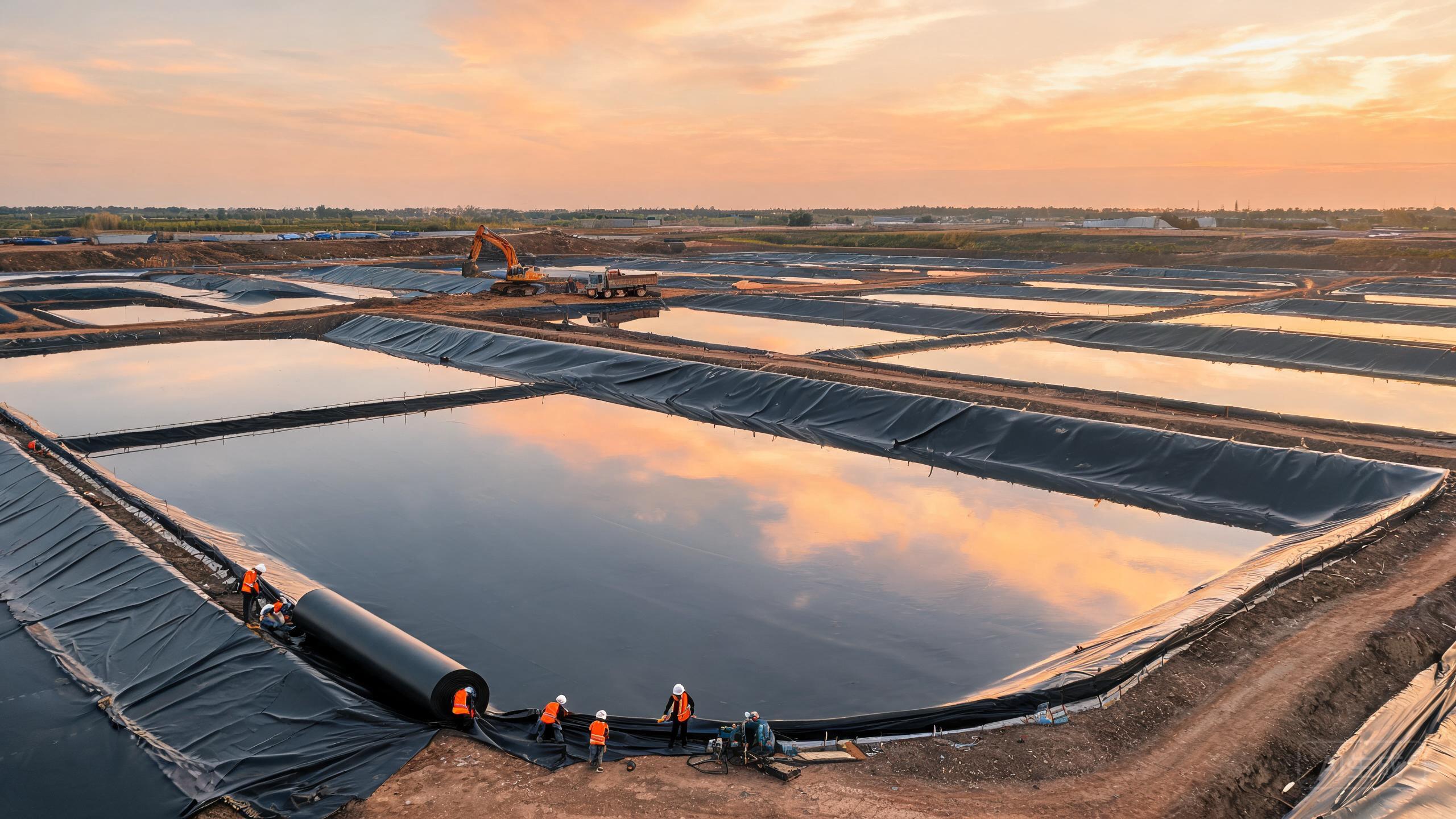
- Water conservancy & reservoirs — seepage control is critical here. Unlined reservoirs can lose more than 30% of stored water annually, pushing municipalities toward geomembrane and composite lining.
- Transportation — road and railway subgrades use geomembranes and geotextiles as separation and drainage layers to protect against subgrade instability.
Three products, one containment system
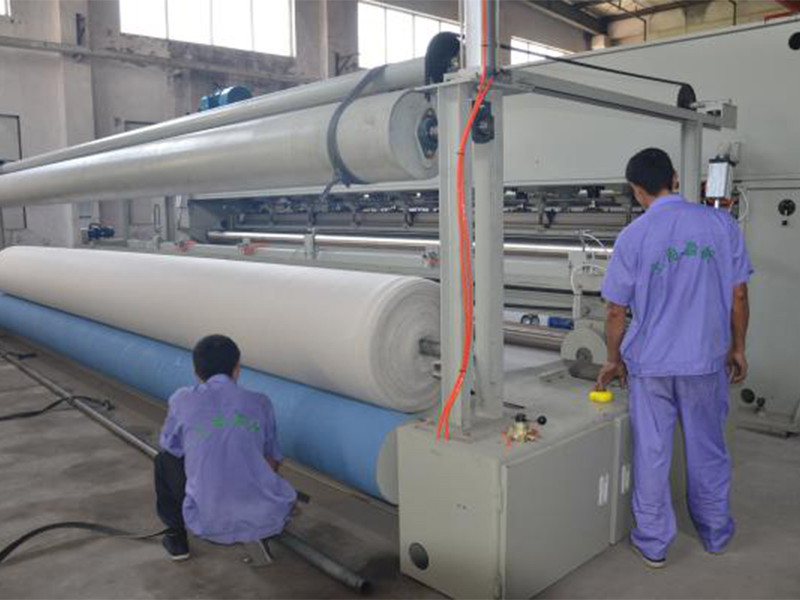
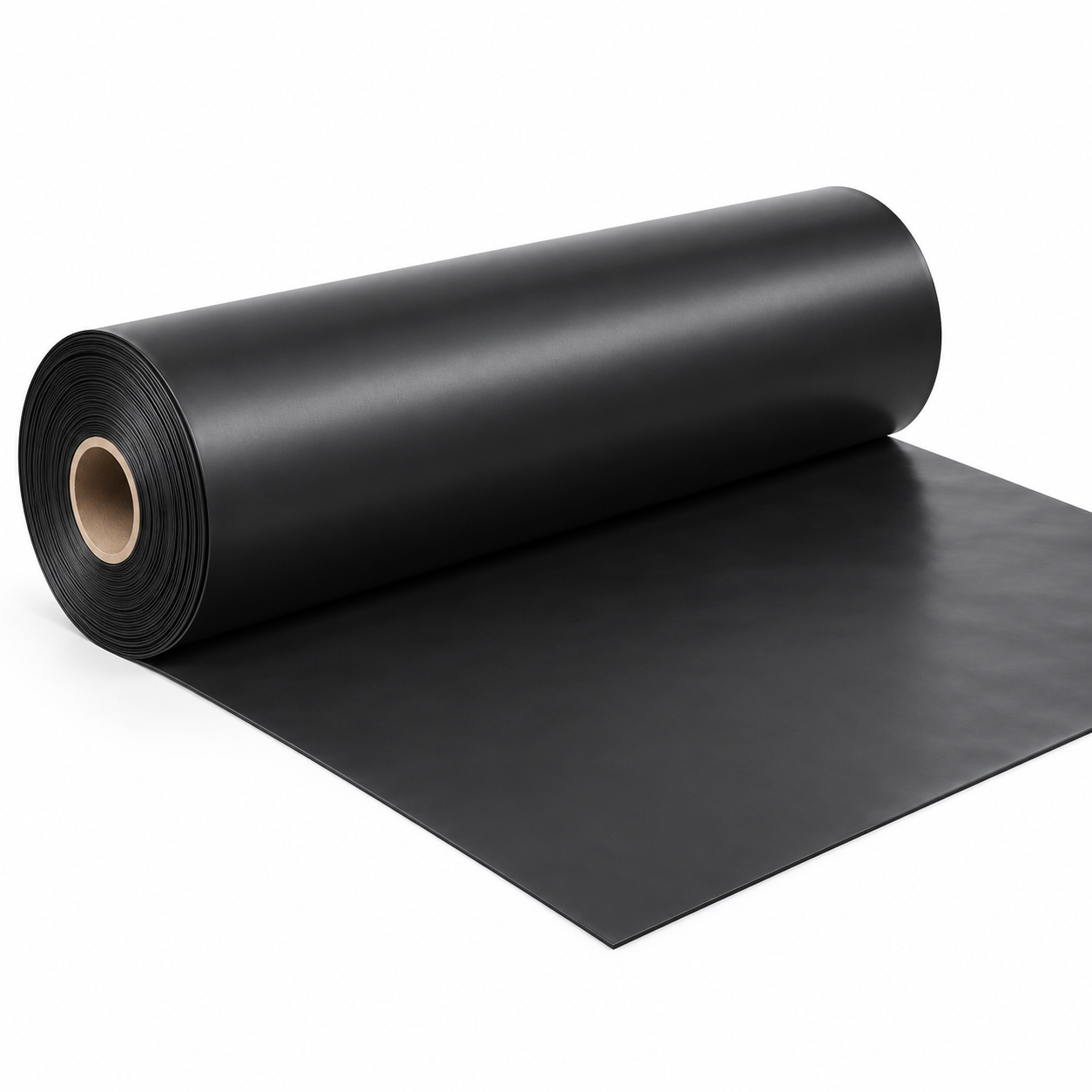
For Shanghai Yingfan, the market outlook maps directly onto its core portfolio. In practice, these materials rarely work alone — they function as layers within a single engineered barrier, each handling a distinct job.
Layered together, the geomembrane provides the primary impermeable barrier, the non-woven geotextile cushions and filters to protect that barrier, and the GCL adds a self-sealing secondary line of defense. It is this composite logic — rather than any single product — that regulators and specifiers are increasingly writing into project requirements.
Outlook
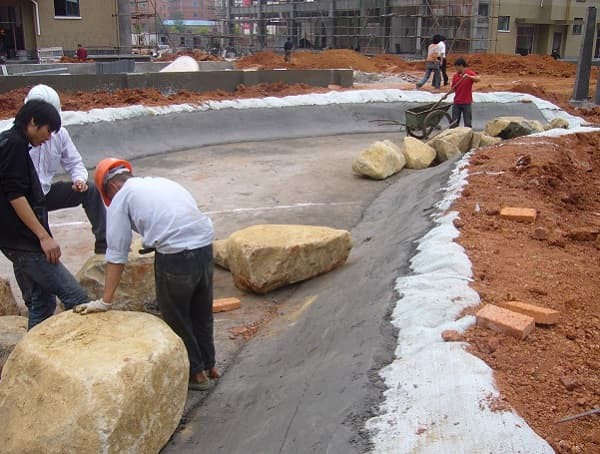
Heading into 2027, the combination of tighter containment regulation, water-stress-driven reservoir investment, and sustained mining activity points to a durable — not cyclical — demand profile for geosynthetic barriers. The forecasts may differ at the margin between providers, but the direction is consistent: HDPE geomembranes, non-woven geotextiles, and GCLs are set to grow in lockstep with the world's containment obligations.
Shanghai Yingfan continues to align its HDPE geomembrane, non-woven geotextile, and bentonite GCL production capacity with this trajectory, supporting landfill, mining, and water-conservancy projects where certified liner performance is no longer optional.
Specifying a containment project?
Talk to our technical team about HDPE geomembrane, non-woven geotextile, and GCL systems built to meet your project's regulatory and service-life requirements.
Contact Shanghai Yingfan →Sources & References
- MarketsandMarkets, Geomembranes Market Report 2026–2031 — USD 3.39B (2026) to USD 5.20B (2031), 7.5% CAGR. marketsandmarkets.com
- Morgan Reed Insights, HDPE and LLDPE Geomembrane Market 2026–2035 — USD 2.4B (2026) to USD 4.34B (2035), 6.8% CAGR. morganreedinsights.com
- PW Consulting, Worldwide Soil Work (Clay) Liners Market 2026 — GCL market USD 696.94M (2026). pmarketresearch.com
- Mordor Intelligence, Geosynthetic Clay Liners Market — Austria ÖNORM S 2073:2026 50-year service-life requirement. mordorintelligence.com
- DataIntelo, GCL market report — EPA Subtitle D (1×10⁻⁷ cm/s) and bentonite GCL performance (1×10⁻⁹ cm/s). dataintelo.com



 Global Geomembrane Market on Track for USD 5.2 Billion by 2031 as Containment Rules TightenA Q4 2026 outlook on how stricter environmental mandates and infrastructure investment are reshaping demand for HDPE geomembranes, non-woven geotextiles, and geosynthetic clay liners.
![]() Global Geomembrane Market on Track for USD 5.2 Billion by 2031 as Containment Rules TightenA Q4 2026 outlook on how stricter environmental mandates and infrastructure investment are reshaping demand for HDPE geomembranes, non-woven geotextiles, and geosynthetic clay liners.
 Asia-Pacific Infrastructure Spending to Lift HDPE Geomembrane Demand Through Q4 2026
 Aquaculture Boom and Tighter Containment Rules Lift HDPE Geomembrane Demand to Record Highs in 2026
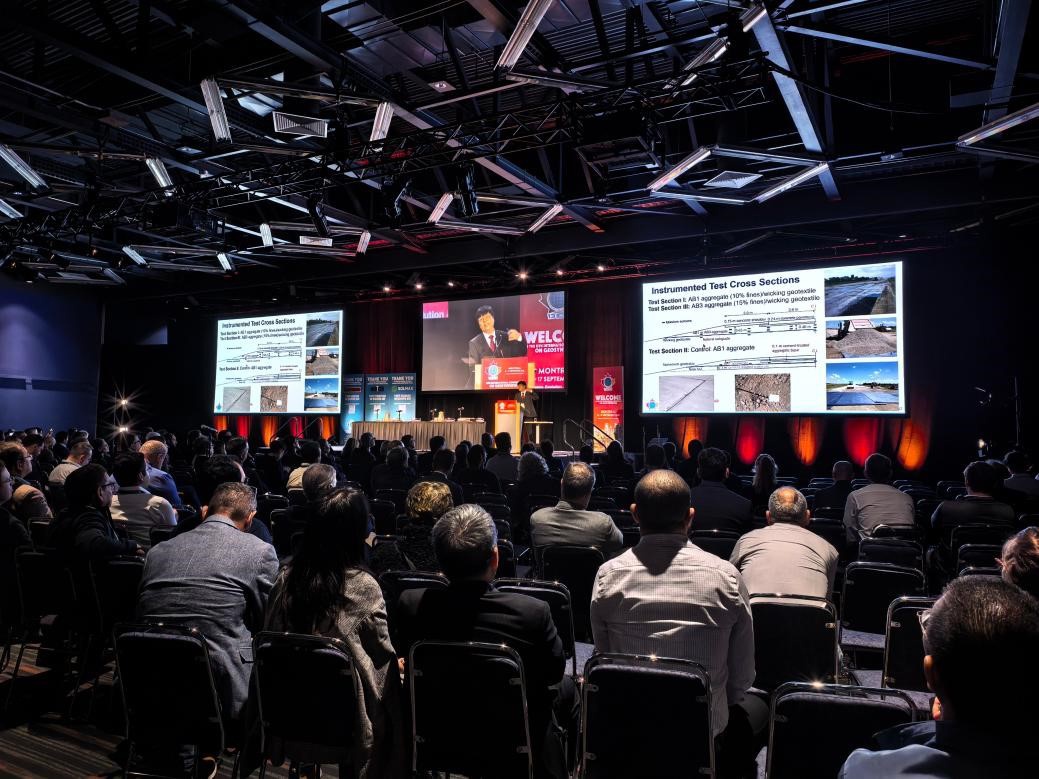
 13th International Conference on Geosynthetics Concludes in Montreal: Chinese Delegation Highlights Industry StrengthFrom September 13 to 17, 2026, the 13th International Conference on Geosynthetics (13ICG) — the premier global event in the field — was held at the Palais des congrès de Montréal, Canada. Under the theme "Legacy, Evolution & Revolution in Geosynthetics," the conference brought together more than 1,000 experts, scholars, and industry representatives. The Chinese Technical Association of Geosynthetics (CTAG) organized a delegation of over 40 participants and 14 exhibiting companies, with Chinese scholars delivering multiple technical presentations and receiving international awards.
 HDPE Liner Roll Applications: What Should Buyers Know?

Chat Online