Integrated Solutions from Production, R&D, Construction to After-sales.
PROFESSIONAL MANUFACTURER
ENVIRONMENTAL PROTECTION EXPERT


‹
›
‹
›
HDPE Geomembrane Buying Guide: Smooth vs Textured Surface Selection
A practical procurement reference for engineers, contractors and project owners specifying geomembrane liners for solid waste landfills, mining facilities, containment ponds and hydraulic structures.
Prepared by Shanghai Yingfan Engineering Material Co., Ltd. · 2026 ·
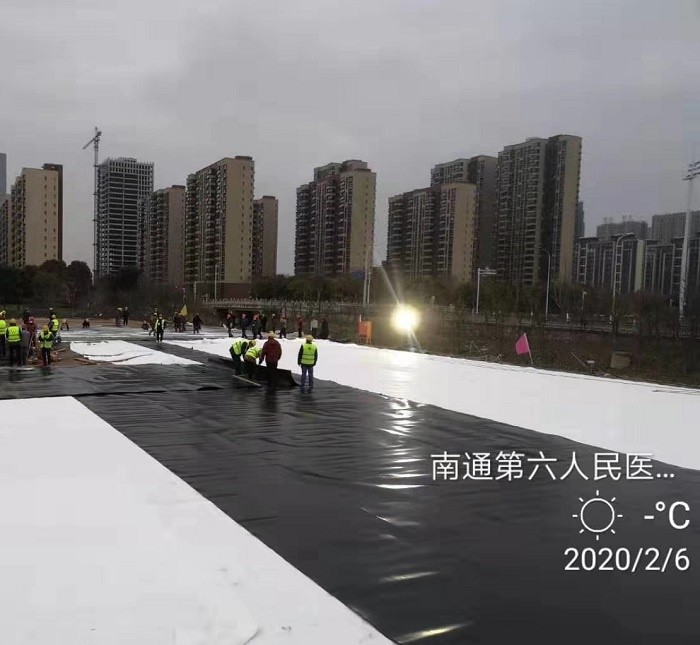
When specifying HDPE geomembrane for a containment or lining project, one decision surfaces early and shapes everything that follows: smooth or textured surface. Both types share the same base material — approximately 97.5% high-density polyethylene resin compounded with 2.5% carbon black, antioxidants, UV stabilizers and processing aids — but the surface treatment changes performance in ways that directly affect slope stability, installation workflow, long-term leakage rate and project cost. This article distills the surface-selection question into engineering terms a procurement team can act on, using product data from Shanghai Yingfan, a Chinese HDPE geomembrane manufacturer with ISO 9001, ISO 14001, ISO 45001 and CE certifications. The table below compares the two Yingfan HDPE geomembrane products at the 1.50 mm thickness level — the most commonly specified thickness for primary landfill liners and mining leach pond projects — against international test standards. The textured surface exists for one engineering reason: to increase interfacial friction between the geomembrane and adjacent geosynthetic layers (typically a nonwoven geotextile cushion) or the underlying subgrade. Higher interface shear strength enables steeper permanent slopes — up to 3.5H:1V and beyond — without risk of liner sliding. Specify textured HDPE geomembrane when the project includes: landfill side slopes steeper than 2H:1V, mining leach pad liners under overburden pressure, tailings dam facing, steep-sided retention ponds, or any design where the geotechnical engineer has calculated that smooth-side friction is insufficient for slope stability. Yingfan produces textured HDPE geomembrane in single-sided (one face textured, one smooth) and double-sided configurations. Single-sided is the common specification for landfill primary liners, where the textured face interfaces with the protection geotextile and the smooth face contacts the geosynthetic clay liner (GCL) below. Smooth HDPE geomembrane is specified where impermeability and weldability outweigh friction requirements. The flat surface facilitates automatic hot-wedge welding and produces a more consistent seam — critical for containment ponds, secondary containment bunds, biogas digester covers, floating reservoir covers and aquaculture pond liners where the geomembrane forms the sole or primary fluid barrier. Smooth geomembrane is also easier to inspect for tears and defects during installation and has a slightly wider available thickness range (0.25 mm to 2.0 mm with Yingfan) including thin gauges used for agricultural and decorative water features. Specify smooth HDPE geomembrane for: flat-bottom containment ponds, tank secondary containment, floating covers on reservoirs or biogas tanks, aquaculture and shrimp pond liners, decorative lakes, canal lining, and cap and cover systems over completed landfills where slope friction is not the governing design factor. Scope Note. All material properties in this article reference products manufactured by Shanghai Yingfan Engineering Material Co., Ltd. and are drawn from published company datasheets at yingfangeo.com and yingfanenviro.com. Generic industry knowledge about geomembrane surface performance is based on widely accepted geosynthetics engineering practice (GRI, ASTM, ISO standards). This article is informational — final material selection must satisfy your project's official specification and geotechnical design.Surface Profile at a Glance
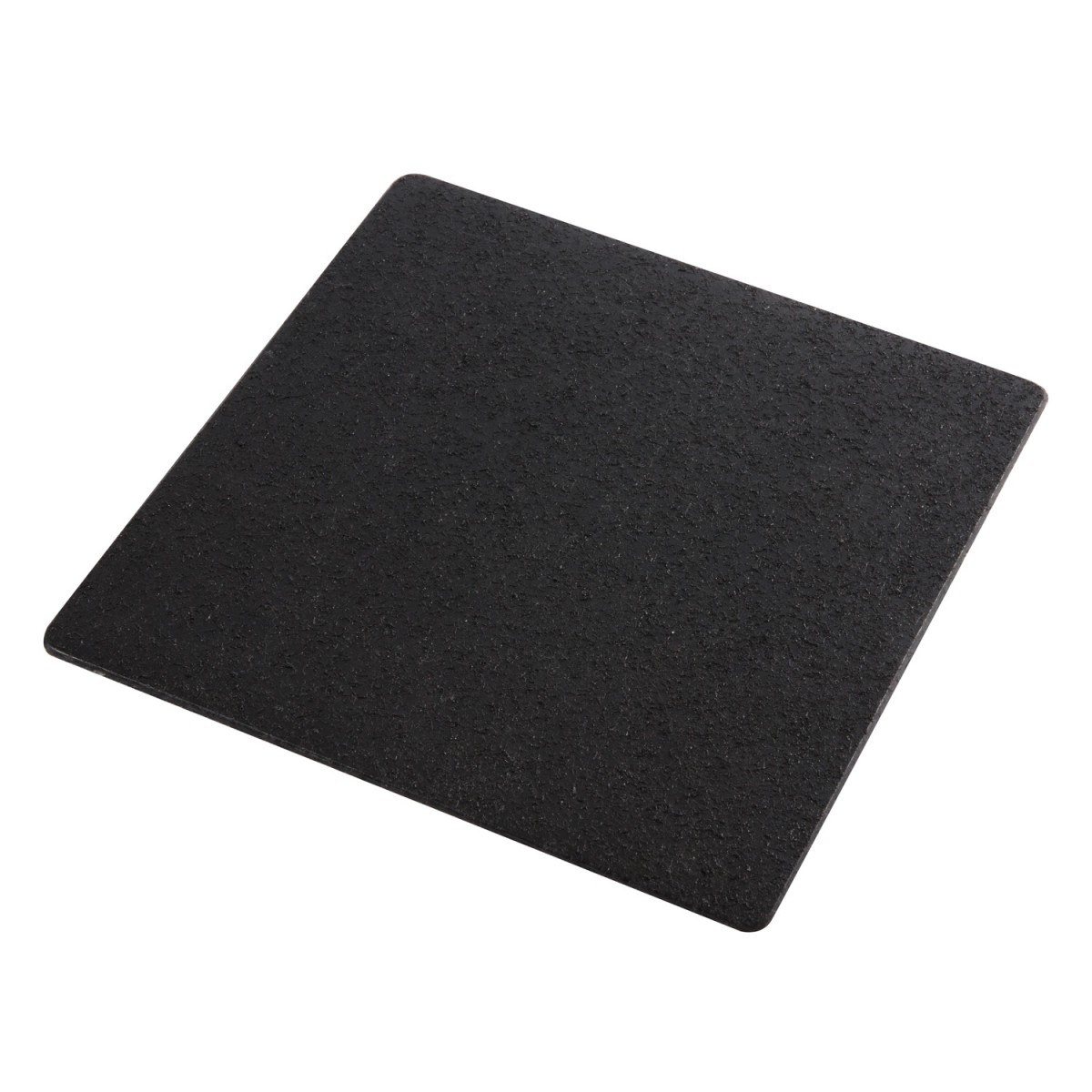
Source: AI-generated product detail photo based on Yingfan product documentation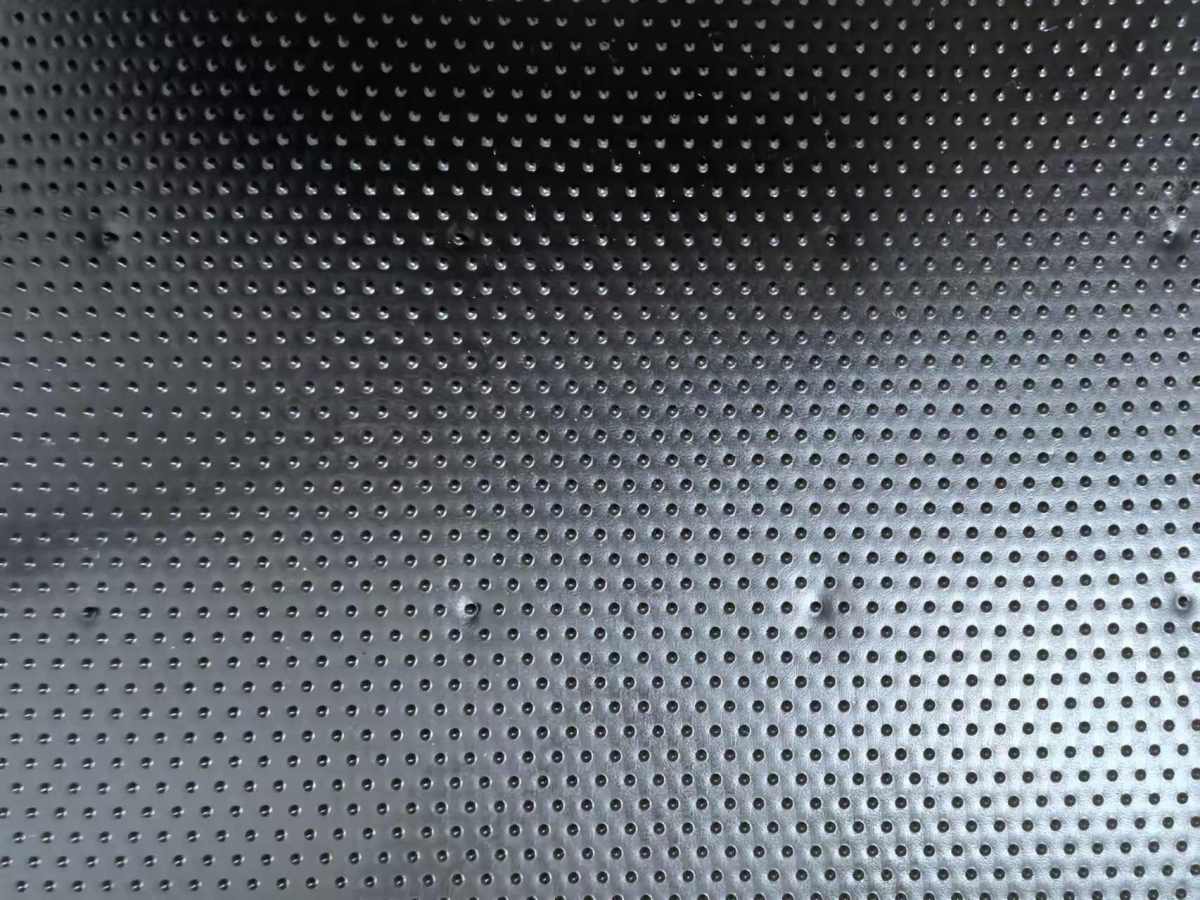
Source: AI-generated product detail photo based on Yingfan GM13 specificationSide-by-Side Engineering Comparison
Source: Yingfan product datasheets published at yingfangeo.comWhen Textured HDPE is the Correct Choice
When Smooth HDPE is the Correct Choice
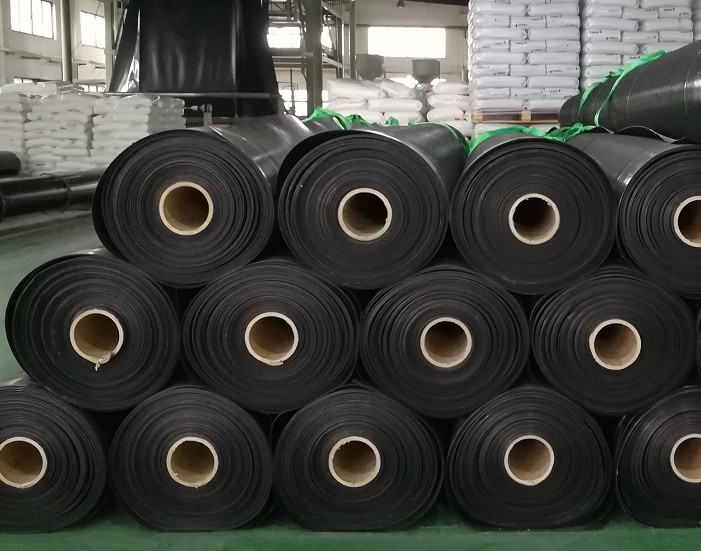
Manufacturing Context
Quick Decision Checklist
Sources & Further Reading
Chat Online